

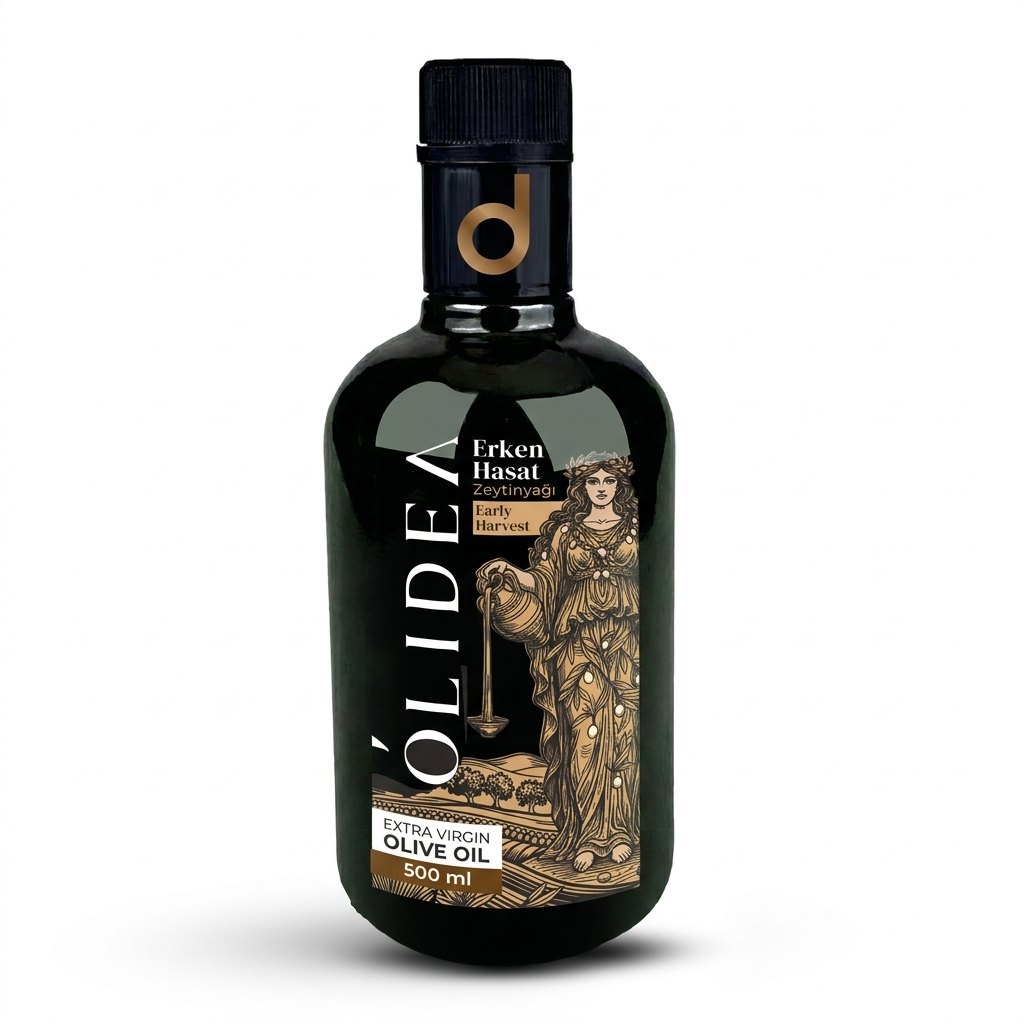
Olive oil is one of the most treasured ingredients in our kitchens and a true staple at the table. Known as “liquid gold” since ancient times, this remarkable oil is valued not only for its health benefits but also for the distinctive flavor it brings to our meals. However, once that elegant bottle is opened, one common question comes to mind: “How soon should I consume this olive oil?”
Like other vegetable oils, olive oil does not have an unlimited shelf life. In fact, it is a delicate product that gradually loses its character when not stored under the right conditions. Depending on its quality and storage conditions, an opened bottle of olive oil is ideally consumed within 3 to 6 months.
So, how can you preserve its quality and keep its flavor as fresh as possible during this period? Let’s take a closer look at the factors that affect the shelf life of olive oil and the best ways to store it.
Olive Oil’s Greatest Enemies: What Threatens Its Flavor and Quality?
The moment you open a bottle of olive oil, the precious oil inside begins to interact with the outside environment. There are three main factors that can negatively affect its quality:
Light:
Sunlight and direct artificial light can accelerate the breakdown of antioxidants and other beneficial compounds in olive oil. This process, known as photo-oxidation, can cause the oil to deteriorate and become rancid more quickly.
Oxygen (Air):
Every time the bottle is opened, fresh air enters and comes into contact with the oil. This triggers a chemical process called oxidation, which gradually causes the oil to lose its freshness, aroma, and flavor.
Heat:
Olive oil bottles stored next to the stove, oven, or other heat sources can quickly lose their quality. The ideal storage temperature for olive oil is approximately 14°C to 22°C (57°F to 72°F).
4 Golden Rules for Keeping Olive Oil Fresh
To maintain the highest possible quality after opening and throughout the ideal 3–6 month consumption period, follow these simple storage guidelines:
1. Choose Dark Glass or Tin Packaging
Avoid storing olive oil in clear bottles whenever possible. Dark-colored glass bottles, such as green or brown glass, or high-quality tin containers help protect the oil from exposure to light.
2. Always Close the Cap Tightly
To minimize contact with oxygen, make sure the bottle or container is tightly sealed immediately after each use.
3. Store It in a Cool, Dark Place
Keep olive oil away from the stove, oven, sunny countertops, and other warm areas. A cool, dark, and dry cupboard or pantry is one of the best places to store it.
4. Avoid Refrigeration
Olive oil may become cloudy or partially solidify when refrigerated. While this does not necessarily mean the oil has spoiled, repeated temperature changes from taking it in and out of the refrigerator are unnecessary. A consistently cool, dark place at room temperature is generally the better choice.
How Can You Tell If Olive Oil Has Gone Bad?
Determining whether olive oil has deteriorated is relatively simple. Your senses can provide some of the clearest signs:
Smell:
Fresh olive oil may have aromas reminiscent of freshly cut grass, green leaves, tomato leaves, herbs, or fresh fruit. If the oil develops unpleasant odors resembling paint, mustiness, vinegar, solvents, or stale nuts, it may have oxidized or developed other quality defects.
Taste:
High-quality extra virgin olive oil often has a fresh, fruity character along with a pleasant bitterness and a peppery sensation in the throat. As the oil deteriorates, this freshness and complexity fade, leaving behind a flat, stale, heavy, or unpleasant taste.
In Summary
Olive oil is one of nature’s most precious gifts to our tables. By storing it in suitable packaging, keeping it in a cool and dark place, and consuming it within approximately 3 to 6 months after opening, you can enjoy its flavor and quality at their best.
Remember: Properly stored olive oil can make every dish more flavorful, bringing its distinctive character to every bite.

 Kuru Sele Zeytin


 Banyo Ürünleri
 Kolonya
 Sabun
Sabun


 Reçeller ve Kahvaltılık